HOW I THINK: STRATEGY & SYSTEMS
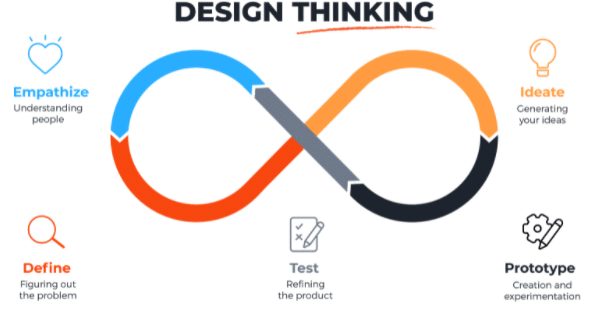
My approach to work has been shaped by years in high-pressure production environments, graduate study at Syracuse University’s Newhouse School, and teaching emerging media workflows.
Together, those experiences changed how I think about decisions, tradeoffs, and what actually holds up once work leaves the screen.
This page outlines how I approach problems—and how that thinking shows up in real work.
My Approach
I start with context, not outputs
Before deciding what to make, I focus on audience, constraints, and intent. Most problems aren’t creative problems; they’re clarity problems.
I design for real conditions
Deadlines, shifting information, stakeholders, and imperfect data aren’t obstacles. They’re the environment. Good decisions still hold up under pressure.
I value usefulness over polish
If something doesn’t help people understand, decide, or move forward, it doesn’t matter how well it’s produced.
I think across environments, not isolated pieces
Working in news, live production, and digital taught me that work has to function across formats, teams, and timelines; not just in a single moment.
How This Shows Up in Practice
-
Making editorial decisions under pressure, where clarity and accuracy matter more than perfection and choices carry immediate consequences across broadcast and digital platforms.
-
Balancing narrative timing, audience expectation, and platform differences while coordinating across large, fast-moving teams with little margin for error.
-
Adapting content for usability, discoverability, and performance—considering how audiences find, navigate, and engage with content across formats.
-
Working closely with producers, editors, designers, engineers, and stakeholders to align intent, expectations, and execution across teams.
-
Designing processes that help teams move faster without sacrificing clarity—anticipating handoffs, bottlenecks, and decision points before they become problems.
-
Translating complex, real-world workflows into clear, repeatable frameworks; reinforcing the importance of explanation, clarity, and practical application.
Newhouse Work, Applied
Graduate study sharpened how I think about complex communication systems, from user experience and content strategy to emerging platforms and digital ecosystems. It shifted my focus from executing individual pieces to understanding how decisions affect users, platforms, and outcomes across an entire system.
That work strengthened my ability to:
Design content and experiences with user behavior and usability in mind
Apply systems thinking to communication, workflows, and platforms
Evaluate performance signals across digital and social channels
Adapt strategy for emerging platforms and evolving audience habits
Build repeatable approaches that scale across teams and environments
Capstone Content Offering Innovation
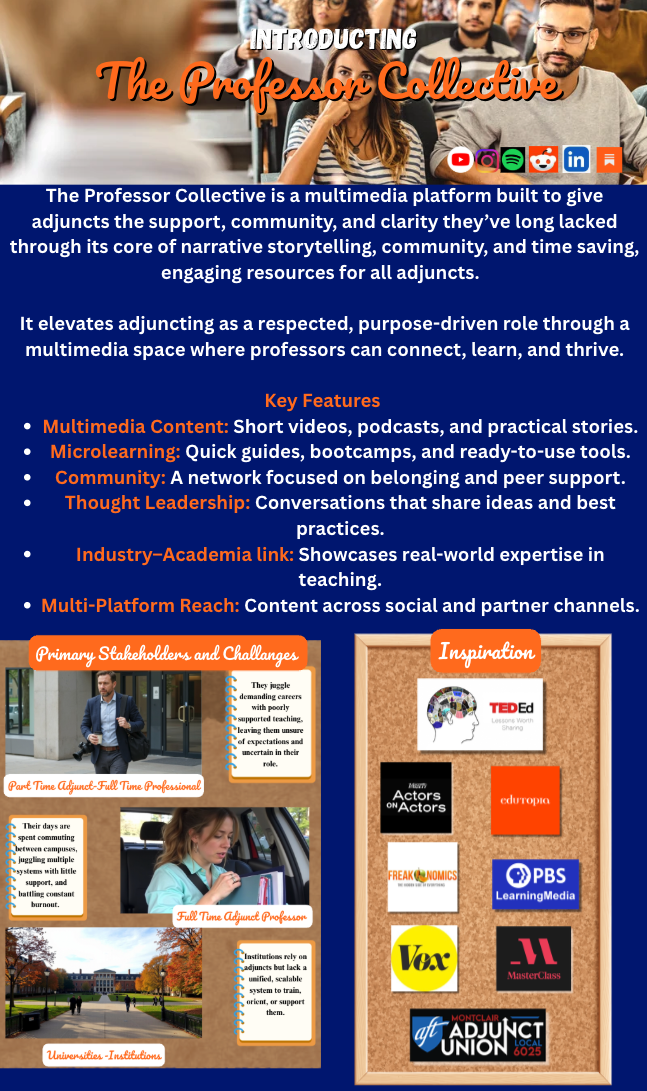
Teaching digital production and emerging media at Montclair State University reinforces my belief that clarity is a skill. Explaining complex workflows to students sharpens how I communicate ideas and exposes assumptions that don’t hold up in practice.
Teaching as Practice